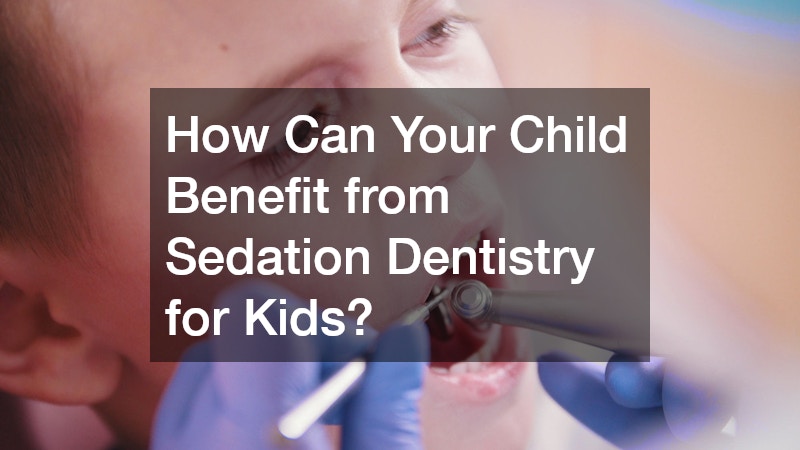

Visiting the dentist can feel overwhelming for many children. Unfamiliar sounds, new faces, and the fear of discomfort often create anxiety that makes even a routine cleaning stressful. For parents, this can turn dental appointments into emotional experiences filled with tears and resistance. Fortunately, sedation dentistry for kids offers a safe and effective way to help children feel calm and comfortable while receiving essential dental care.
Understanding how this approach works and the benefits it provides can help you decide whether it’s the right option for your child.
Understanding Sedation Dentistry for Children
Sedation dentistry involves the use of medication to help patients relax during dental procedures. In pediatric dentistry, the goal is not to “put a child to sleep” in most cases, but to ease anxiety, reduce discomfort, and create a positive dental experience.
Types of Sedation Commonly Used
Pediatric dentists carefully evaluate a child’s age, medical history, and level of anxiety before recommending sedation. Common options include:
-
Nitrous oxide, often called laughing gas, which helps children feel calm and relaxed while remaining awake and responsive.
-
Oral sedation, given as a liquid medication before the appointment to promote deeper relaxation.
-
IV sedation or general anesthesia, typically used for extensive procedures or children with significant anxiety or special healthcare needs.
Each option is administered and monitored by trained professionals to ensure safety throughout the visit.
Easing Dental Anxiety
One of the biggest benefits of sedation dentistry for kids is reducing fear and anxiety. Dental phobia can begin early in life, especially if a child has had a previous uncomfortable experience.
Creating a Positive Association
When children feel relaxed during treatment, they are more likely to develop positive feelings about dental care. Instead of associating the dentist with fear, they remember a calm and manageable experience. This positive reinforcement can encourage better cooperation at future visits and foster lifelong healthy dental habits.
Helping Children with Strong Gag Reflexes
Some children struggle with a sensitive gag reflex, which can make even simple procedures uncomfortable. Sedation helps relax the muscles and reduce sensitivity, making treatment smoother and less stressful for everyone involved.
Making Dental Procedures More Comfortable
Dental treatments such as fillings, crowns, or extractions can be intimidating for children. Sedation allows the dentist to perform necessary procedures while minimizing discomfort and distress.
Reducing Awareness of Sounds and Sensations
The sound of dental tools or the feeling of pressure can heighten a child’s anxiety. Sedation helps dull these sensations, allowing children to remain calm and less aware of what is happening around them.
Supporting Longer or More Complex Treatments
In some cases, a child may need multiple procedures. Sedation enables the dentist to complete more work in a single visit because the child is relaxed and cooperative. This reduces the number of appointments required, which can be especially beneficial for busy families.
Encouraging Better Oral Health Outcomes
Avoiding dental visits due to fear can lead to untreated cavities, infections, and other oral health issues. Sedation dentistry for kids helps eliminate the barriers that prevent children from receiving timely care.
Preventing Worsening Dental Problems
When treatment is delayed, minor concerns can quickly become major problems. Sedation allows dentists to address issues early, preventing pain, infection, and more invasive procedures in the future.
Building Consistent Dental Care Habits
Children who have comfortable dental experiences are more likely to attend regular checkups. This consistency supports preventive care, including cleanings and exams that keep teeth and gums healthy over time.
Helping Children with Special Healthcare Needs
Some children have developmental, behavioral, or medical conditions that make it difficult to sit still or cooperate during dental visits. For these patients, sedation can be especially beneficial.
Creating a Safe and Supportive Environment
Sedation helps minimize movement and anxiety, allowing the dentist to provide care safely and efficiently. Parents often find reassurance knowing their child can receive necessary treatment without unnecessary stress or trauma.
Customizing Care for Individual Needs
Pediatric dental teams are trained to tailor sedation plans based on each child’s unique health profile. This personalized approach ensures that care remains both effective and safe.
Improving the Overall Experience for Parents and Children
Dental anxiety doesn’t only affect children; it can also cause stress for parents who worry about their child’s comfort. Sedation dentistry for kids provides peace of mind for families.
Reducing Emotional Strain
Watching a child struggle during a dental visit can be difficult. When sedation is used appropriately, appointments are typically smoother and more predictable. This helps parents feel confident that their child is receiving compassionate care.
Saving Time and Minimizing Disruptions
By completing multiple procedures in one visit, sedation can reduce the need for repeated appointments. Fewer visits mean less time away from school and work, and less disruption to daily routines.
Ensuring Safety and Professional Oversight
Safety is always the top priority in pediatric dentistry. Dentists who offer sedation undergo specialized training and follow strict guidelines to monitor children throughout the procedure.
Before recommending sedation, the dental team reviews your child’s medical history, discusses any medications, and explains what to expect before, during, and after the appointment. Monitoring equipment tracks vital signs to ensure your child remains safe and stable the entire time.
Parents also receive detailed aftercare instructions to support a smooth recovery at home.
When to Consider Sedation Dentistry
Sedation may be appropriate if your child:
-
Experiences severe dental anxiety or fear.
-
Has difficulty sitting still for extended periods.
-
Needs extensive dental work.
-
Has special healthcare needs.
-
Has had traumatic dental experiences in the past.
Discussing your concerns openly with a pediatric dentist can help determine the best course of action for your child’s comfort and oral health.
Sedation dentistry for kids can transform the way children experience dental care. By easing anxiety, increasing comfort, and supporting safe, efficient treatment, it creates a foundation for healthier smiles and more positive dental visits in the years ahead.

Post navigation
Previous Post
 Understanding the Importance of Teeth Cleanings for Kids