
In this article, we will explore the critical role that regular teeth cleanings play in maintaining the oral health of children. We’ll cover common questions and concerns to help parents understand why consistent dental care is essential for their kids. Proper dental hygiene from an early age not only prevents decay but also fosters long-lasting health habits.
1. Why Are Teeth Cleanings Important for Kids?
1.1 Prevention of Tooth Decay and Cavities
Teeth cleanings for kids are crucial as they significantly reduce the risk of tooth decay and cavities. Regular cleaning removes plaque and tartar buildup that are the main culprits behind dental caries.
Early introduction to these cleanings instills a sense of preventive care in children.
Children’s mouths are more susceptible to decay due to their developing enamel. Thus, frequent dental visits help in managing their oral environment effectively. Early and consistent teeth cleanings ensure that cavities are kept at bay, which is essential for maintaining strong and healthy teeth.
Moreover, preventive cleanings save parents from costly and intensive treatments down the road. Understanding this preventive aspect convinces many caregivers to maintain regular checks. The presence of a professional helps in keeping the child’s dental condition under constant monitoring.
1.2 Promotion of Good Oral Hygiene Habits
Creating a habit of good oral hygiene starts with regular teeth cleanings. Appointments with dentists provide an opportunity to teach kids proper brushing and flossing techniques. Children mimic behaviors seen in early dental visits, making it a prime time to model best practices.
Regular cleanings reinforce positive memories associated with dental visits, minimizing the fear that often accompanies such appointments. The educational aspect of these cleanings cannot be overstated as children learn by doing and observing. With constant reinforcement, these practices turn into lifelong habits.
Parents also play a crucial role in reinforcing these teachings at home. Working hand in hand with dental professionals helps solidify the importance of daily hygiene routines. Ultimately, good habits learned early lead to a lifetime of healthy smiles.
1.3 Early Detection of Dental Issues
Routine dental visits allow for the early detection of potential dental issues, resolving them before they can cause significant harm. Pediatric dentists are trained to identify subtle signs of problems like misalignment, growth irregularities, or potential infections. Early detection ensures timely intervention, preventing complex treatment procedures in the future.
This proactive approach supports the idea of preserving natural teeth whenever possible and maintains the child’s oral health. Regular check-ups offer insights into particular developmental patterns unique to each child. By recognizing issues early, parents can avoid unnecessary stress and costs associated with more advanced conditions.
Visits to the dentist aren’t just about cleaning; they’re diagnostic checkpoints for broader health concerns. Dental health is closely linked with overall health, making these check-ups a valuable resource. Thus, safeguarding dental health often translates into ensuring overall well-being.
2. How Often Should Kids Have Their Teeth Cleaned?
2.1 Recommended Frequency by Age
It is generally recommended that children have their teeth cleaned every six months. This semi-annual frequency is advised by most dental professionals to effectively manage dental health. However, individual needs may vary depending on the child’s unique circumstances.
Early childhood (ages 1 to 5) might require different intervals as guided by a pediatric dentist. The dental needs of children evolve as they grow, necessitating a dynamic approach. Regular consultations will help parents set the appropriate timeline for cleanings based on age-related risks.
As children reach school age, consistent scheduling becomes crucial to adapt to their changing oral environment. Adjustments for frequency should consider risk factors such as diet, brushing habits, and any noted predispositions. This personalized care ensures every child’s dental needs are met appropriately.
2.2 Signs Indicating the Need for More Frequent Cleanings
Some signs necessitate more frequent cleanings than the standard six-month interval. A high rate of cavity formation or noticeable build-up of plaque might call for additional visits. Children indulging in sugary snacks or irregular in their brushing could fall into this category.
Plaque deposits are particularly concerning, as they might lead to darker stains and tartar buildup if left untreated. Observing such signs can prompt parents to schedule more frequent appointments than usual. The goal is to prevent progression to more serious dental issues.
Furthermore, children undergoing orthodontic treatments may require additional cleanings to maintain overall dental cleanliness. Braces or other dental appliances introduce complexity in maintaining hygiene. Increased visits ensure these children remain on track for optimal oral health.
2.3 Professional vs. At-Home Cleanings
While daily brushing and flossing are paramount, professional cleanings provide a depth of care that at-home routines cannot. The specialized equipment and expertise available in a dental setting ensure all aspects of oral health are thoroughly addressed. Professionals can reach areas that might be neglected during at-home care.
Incorporating professional cleanings into the oral hygiene routine is crucial for comprehensively managing a child’s dental health. While teaching effective brushing techniques is vital at home, the precision of a professional cleaning plays a remarkable role in early reduction of plaque. Cleanings by a dental professional serve as a supplement rather than a replacement for daily oral hygiene practices.
Collaborating with dental experts keeps parents informed about best practices and changes to their child’s oral needs. Establishing this partnership is key to ensuring the maintenance of optimal dental conditions. Together, home efforts and professional guidance cultivate healthy smiles in young ones.
3. What to Expect During a Child’s Dental Cleaning Appointment?
3.1 The Role of a Pediatric Dentist
Pediatric dentists specialize in treating young patients, bringing unique expertise and a comforting approach to dental care. They play a significant role in guiding and educating both parents and children about dental hygiene. Their tailored techniques help to ease common fears that children may have about dental visits.
At a cleaning appointment, a pediatric dentist often evaluates the child’s teeth development, ensuring healthy growth patterns. Exams focus on teaching children about proper dental habits through engaging and interactive means. Pediatric dentists create a positive environment to alleviate any anxiety associated with clinical settings.
Establishing a trusting relationship between the dentist and the child often leads to more successful visits. This partnership fosters a sense of familiarity and routine within dental establishments, making future visits easier. A positive experience sets the foundation for an ongoing dental relationship that children grow to rely on throughout their lives.
3.2 Steps Involved in a Typical Cleaning Session
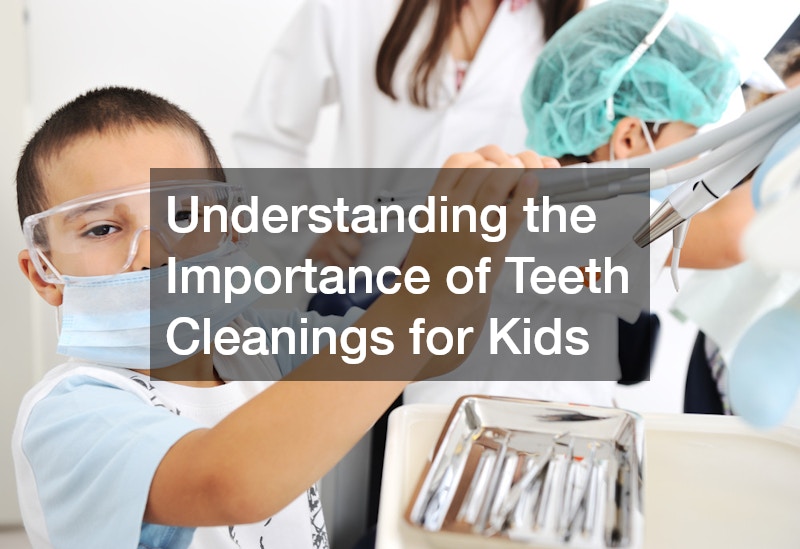
During a teeth cleaning session, the dentist or hygienist uses specialized tools to remove plaque and tartar. This process often includes careful scraping, which is thorough yet gentle on young teeth. After the cleaning, the dentist usually polishes the teeth with a gritty paste to remove surface stains.
Fluoride treatments may follow, which help to bolster the child’s dental defenses against cavities. This treatment is especially helpful as enamel in children is not as hard as in adults and needs extra protection. During the visit, there will also be a physical examination to check for issues like cavities or developmental concerns.
With each cleaning, parents and children receive direct feedback about current oral habits and how they can be improved. The dentist might also provide demonstrations or samples of oral hygiene products. Following this routine establishes a consistent structure, making children aware of the importance and benefits of regular dental care.
3.3 Managing Dental Anxiety in Children
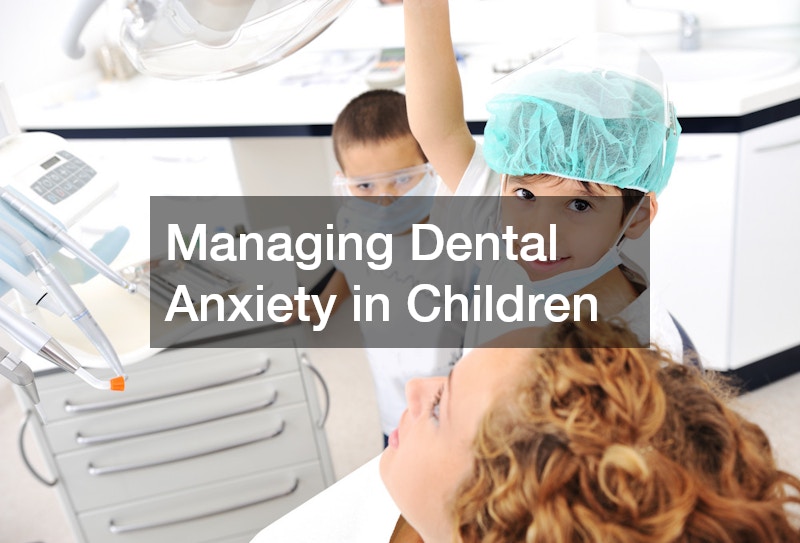
Managing dental anxiety is an essential component of children’s teeth cleaning appointments, as fear can deter future visits. Pediatric dentists employ various techniques to manage anxiety, including introducing children to the instruments and methods they will experience. Building familiarity and reducing fear by using soothing language and providing reassurance helps patients stay calm.
Parents can also play a pivotal role in easing anxiety by modeling calm and encouraging behavior. Preparing a child by discussing what to expect during the appointment sensitively can make them feel more secure. Additionally, rewarding children post-visit can create positive associations with dental care, encouraging them to return without apprehension.
Creating a supportive and attentive environment ensures that the child’s experience at the dentist is as positive as possible. This environment focuses on making each visit feel safe and reassuring. By reducing anxiety, children become more open to understanding and developing valuable oral health habits.
4. Benefits of Regular Teeth Cleanings for Kids
4.1 Long-Term Oral Health Improvements
Regular teeth cleanings offer remarkable benefits for long-term oral health, laying the groundwork for healthy teeth during adulthood. They prevent the accumulation of plaque and tartar, which can lead to gum disease, a condition known to have serious repercussions if left untreated. Cleanings eliminate harmful bacteria, supporting a healthier oral environment.
Dental visits enable professionals to track and address emerging concerns promptly, contributing to sustained oral health. These preventative measures limit the likelihood of requiring extensive dental work later in life. Emphasizing early and frequent care results in fewer cavities and improved oral conditions over time.
By reducing decay and promoting healthy development, regular cleanings extend the life of the child’s natural teeth. As children grow, their need for durable, healthy teeth remains consistent, reflecting the importance of lifelong healthy practices. Consistency in dental care directly correlates with the overall quality of oral health into adulthood.
4.2 Boosting Confidence with a Healthy Smile
One of the confidence-boosting benefits of regular teeth cleanings is the aesthetic appeal of a healthy smile. Children who maintain routine cleanings often enjoy bright, clean teeth, which play a pivotal role in enhancing self-esteem. A positive self-image contributes to social activities, enabling children to interact with peers confidently.
The positive reinforcement they receive from their peers, family, and caregivers thereafter encourages them to prioritize good oral health. Visual results of diligent care often empower children to take charge of their hygiene independently. This confidence can influence other areas of their lives, encouraging them in school and extracurricular activities.
Furthermore, a confident smile can leave lasting impressions, positioning children for success in their personal and academic endeavors. The act of smiling releases endorphins, contributing to mood improvements and reduced stress. Daily practices reinforced by regular dental visits cultivate a resilient sense of self-assurance.
4.3 Connection Between Oral Health and Overall Health
Oral health notably impacts overall health, which makes regular dental cleanings vital beyond mere aesthetics. Research has established connections between poor oral hygiene and systemic health issues such as heart disease and diabetes. Early management of bacterial levels in the mouth prevents harmful infections from affecting other body parts.
During each cleaning, dentists examine unique signs that might indicate health concerns extending beyond the oral cavity. Understanding this link empowers parents to take proactive measures to safeguard their children’s overall well-being. By maintaining good oral hygiene from infancy, the balanced health of the child is maintained.
Frequent dental attention promotes not only healthy teeth but a well-functioning immune system. Parents pursuing comprehensive care for their children’s teeth make a positive investment in their lifelong health. Emphasizing prevention, these regular dental habits contribute meaningfully to better outcomes in overall wellness.
5. How to Encourage Kids to Maintain Good Oral Hygiene?
5.1 Making Brushing and Flossing Fun
Engaging children in their oral care regimen is essential, and making brushing and flossing fun can significantly impact participation. Creating games or setting up a reward system makes these daily activities something to look forward to. Using colorful, child-friendly dental tools can increase excitement and participation.
Many parents find success using timers, music, or themed picture books to transform mundane routines into enjoyable experiences. Heightened engagement tends to result in more effective cleaning and greater enthusiasm towards hygiene tasks. Children’s appreciation for these tasks leads to better adherence and reduced resistance towards brushing and flossing.
Implementing a fun routine increases the likelihood of forming lasting habits, as enjoyable activities are more likely to stick. Regular engagement encourages consistency, the cornerstone of effective oral care. Establishing positive associations under the guise of playful fun instills invaluable life skills in children.
5.2 Setting a Good Example as Parents
Parents serve as the most influential role models, and children often emulate the behaviors they observe. Demonstrating proper dental care sends the message that oral wellness is a priority. When children see their parents caring for their own teeth, they internalize the significance of these actions.
Parents can engage in these routines alongside their children, using typical daily moments to establish valuable habits. This shared experience generates a sense of togetherness and accountability, strengthening family bonds. By fostering an environment centered around care, parents set the foundation for ongoing hygiene practices.
Moreover, commitment from the family reinforces messages delivered by dental professionals. These lessons create a culture within the household that prioritizes overall health, encompassing oral care. As parental influence remains strong throughout childhood, investing in setting a good example is a vital component of lasting practice.
5.3 Educational Resources and Games
Utilizing educational resources and games preserves a child’s interest in their oral hygiene routine, turning learning into a stimulating activity. Many dental offices provide access to interactive tools that encourage children to explore dental narratives. These resources include animated videos and toys showcasing good practices.
Available online are a wealth of resources designed to engage and inform, targeting various age groups and learning styles. Parents can enhance their children’s understanding through apps and educational games that educate about proper techniques. Providing a range of materials encourages children to take an active interest in their health.
When children perceive learning as enjoyable, they gain an intrinsic willingness to apply new information. Fostering a knowledge-based approach with diverse educational resources bridges the connection between theory and practice. Introducing these varied methods fosters independent, informed decision-making regarding oral health.
Understanding the importance of regular teeth cleanings helps ensure that children grow up with healthy, confident smiles. By addressing common questions and providing foundational knowledge, we hope to empower parents to prioritize their kids’ dental care. Awareness and action pave the way for long-term oral and overall health benefits, securing a bright future for kids.