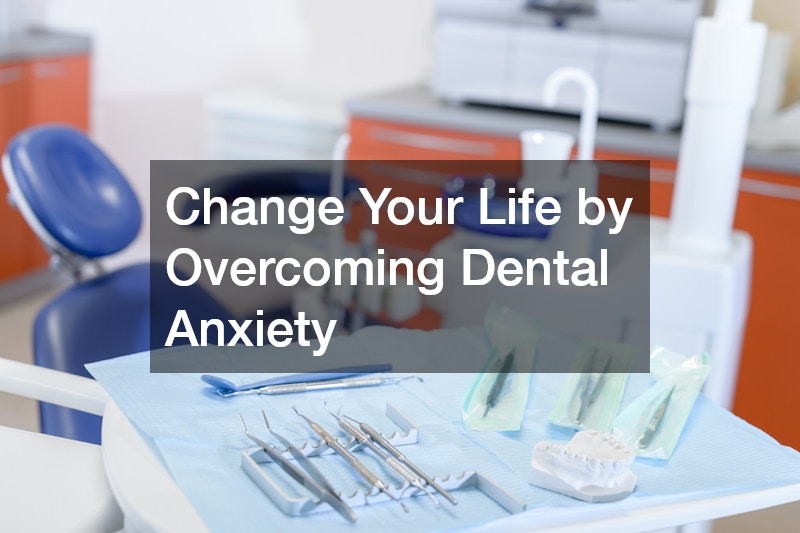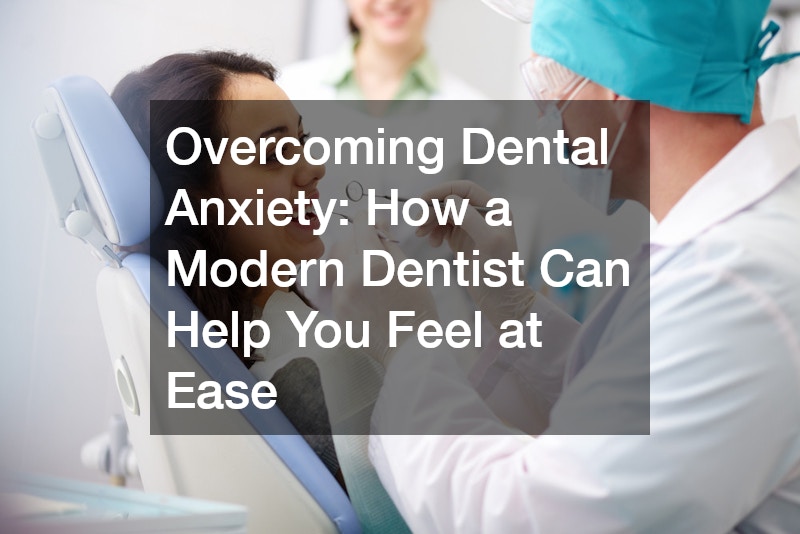

Sitting in a waiting room while listening to the distant whir of high-speed drills can send a cold chill down anyone’s spine. Dental fear is far more common than most people realize, affecting millions of individuals worldwide. For many, this apprehension goes beyond mild nervousness and turns into a profound phobia that leads them to avoid essential oral healthcare for years. Skipping routine checkups often causes minor, easily treatable issues to escalate into painful conditions requiring complex procedures. Fortunately, the field of oral healthcare has undergone a dramatic transformation.
Today, a modern dentist focuses just as much on psychological comfort and physical relaxation as they do on clinical precision, ensuring every patient feels secure from the moment they step through the door.
Understanding the Roots of Fear
To conquer apprehension, it helps to understand where these intense feelings originate. Many individuals trace their anxiety back to a traumatic childhood experience involving a cold clinical environment or painful treatment. Others experience distress due to a perceived loss of control while lying back in a treatment chair. The fear of unexpected pain, needle phobias, or feelings of embarrassment regarding the current state of their teeth can also keep people from seeking care.
Modern practitioners recognize that these feelings are genuine and completely valid. Rather than dismissing patient worries, contemporary clinics take a compassionate, trauma-informed approach to care. They recognize that creating a peaceful setting is fundamental to supporting lifelong oral wellness.
A Welcoming and Calming Environment
The transformation in modern care begins long before any clinical procedure takes place. Traditional, sterile offices with harsh fluorescent lighting and sharp chemical odors are rapidly being replaced by soothing, spa-like environments.
Soothing Sensory Elements
Contemporary clinics use warm lighting, soft color palettes, and ambient soundscapes to create an immediate sense of calm. Aromatherapy diffusers utilizing soothing essential oils like lavender or chamomile help mask traditional clinical smells, relaxing the nervous system upon arrival.
Entertainment and Distraction Options
Many treatment rooms now feature ceiling-mounted televisions, noise-canceling headphones, and virtual reality headsets. These tools allow patients to immerse themselves in their favorite music, shows, or movies, shifting their focus completely away from the clinical sounds around them.
Advanced Technology for Gentle Care
Technological innovations have radically changed how procedures are performed, making treatments significantly faster, quieter, and virtually painless.
Quiet Digital Equipment
The high-pitched sound of conventional drills is a primary trigger for many anxious patients. Modern practices increasingly utilize electric handpieces that operate with a fraction of the noise, as well as dental lasers. Lasers can perform precise tissue work and cavity preparation often without the need for traditional drilling or extensive numbing.
Needle-Free and Precise Anesthesia
For those who dread injections, computer-controlled local anesthesia delivery systems offer a game-changing alternative. These devices deliver numbing agents at a slow, steady rate that eliminates the stinging sensation typically caused by manual injections. Additionally, quick-acting topical gels ensure the surface tissue is thoroughly numbed prior to any administration.
Digital Impressions
Traditional impression trays filled with thick putty often triggered strong gag reflexes and heightened distress. Today, intraoral digital scanners capture high-definition three-dimensional models of teeth in seconds using a small, comfortable wand, eliminating old-fashioned trays entirely.
Gentle Sedation Options Tailored to Your Needs
When environmental tweaks and technology are not quite enough to ease severe anxiety, safe and effective sedation methods are available to help bridge the gap.
Nitrous Oxide Relaxation
Often referred to as laughing gas, nitrous oxide is a gentle gas inhaled through a small nose mask. It quickly induces a light feeling of warmth and relaxation while keeping you fully conscious and able to respond. Once the gas is turned off, its effects wear off within minutes, allowing you to safely drive yourself home.
Conscious Oral Sedation
For moderate anxiety, a practitioner may prescribe a mild sedative pill to be taken an hour before the appointment. This medication creates a deeply relaxed state where time seems to pass quickly, though you remain fully responsive to gentle prompts.
IV and General Sedation
For severe phobias or extensive surgical procedures, intravenous sedation administered by a qualified professional places you in a deep state of relaxation, ensuring you feel no pain or memory of the procedure whatsoever.
Communication and Regaining Control
Perhaps the most important advancement in modern care is the shift toward a collaborative partnership between practitioner and patient. Open communication is key to restoring a sense of personal power.
Prior to starting any treatment, a compassionate dentist takes time to explain every step clearly, answering questions and outlining what to expect. Patients are encouraged to establish a simple signal, such as raising a hand, which instantly stops all work, giving the patient total control over the pace of their treatment.
By combining empathetic communication with cutting-edge technology and tailored comfort options, today’s dental professionals ensure that maintaining a healthy, confident smile can be a positive and stress-free experience for everyone.